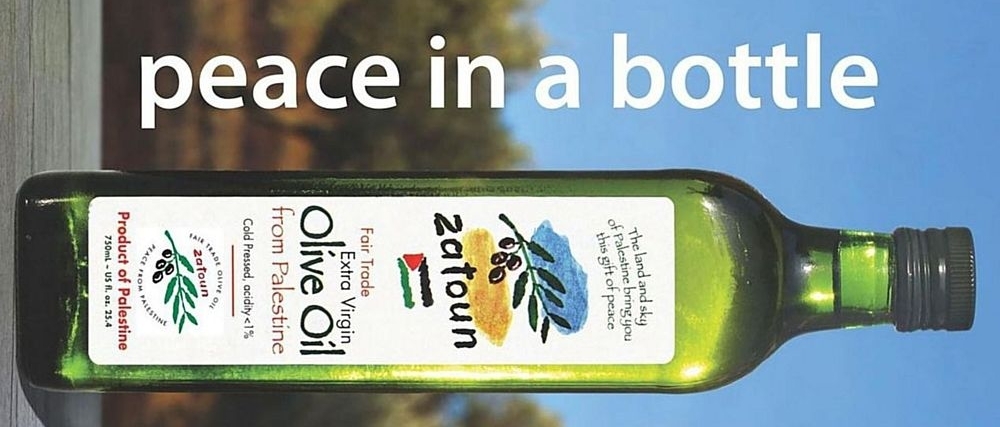
Welcome to Zatoun
Zatoun is a unique project offering fair trade olive oil from Palestine to connect people in North America to the history, culture and challenges of the Palestinian people and the land of Palestine. Started in 2004, Zatoun use symbolic and cultural products from Palestine to raise awareness of a very troubled land desperately needing a just resolution for the sake of world peace.
From its earliest days Zatoun has won followers, friends and admirers. Zatoun is a virtual community of caring and awake individuals brought together by drops of olive oil and strands of deeply held beliefs of truth and justice. Invite your friends and family to join also.
You are invited to shop wonderful fair trade products selected for their meaning and attachment to values of justice and peace. Likewise you are invited to care for the people and the land by contributing directly to projects and initiatives with real benefits for real people. Finally, you can begin to learn and self-educate on the question of Israel-Palestine – it is not “complicated” there is just lots to know and this is an excellent place to start.
Our Products
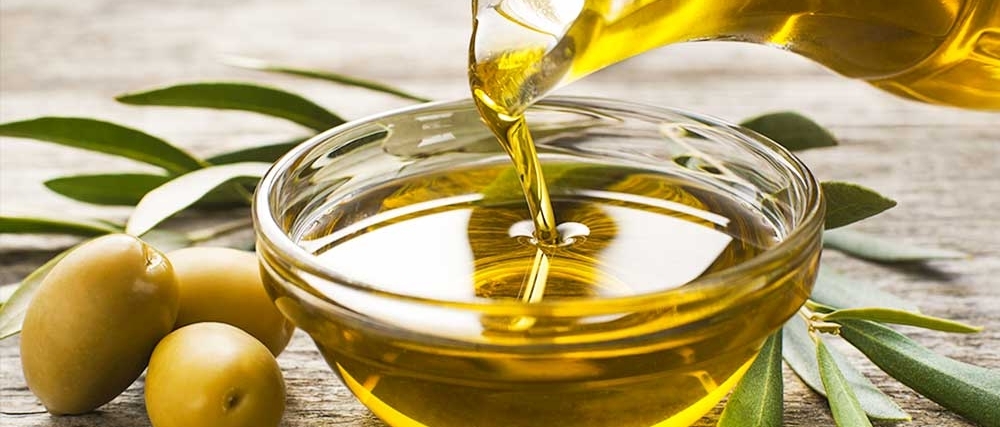
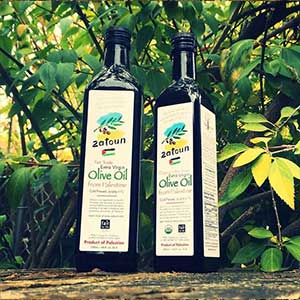
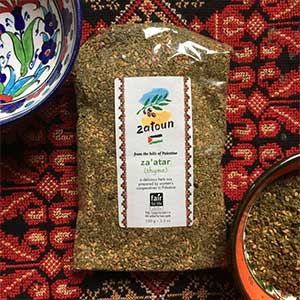
Zatoun products are distinctive and of high quality. Produced in Palestine they are welcomed visitors into your home and on your table. To be enjoyed, shared and gifted, these items become favourites as much for their significance as their quality and taste. The olive is what unites Zatoun products and connects us to Palestine. The region is considered the native home of the olive tree and ancient trees deliver olive oil of great taste and of the highest quality.

Sponsor Today
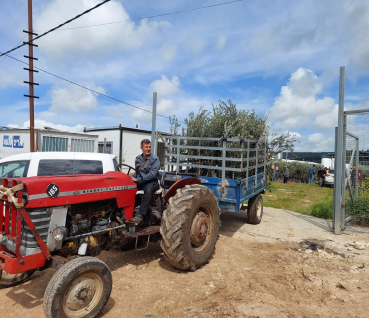
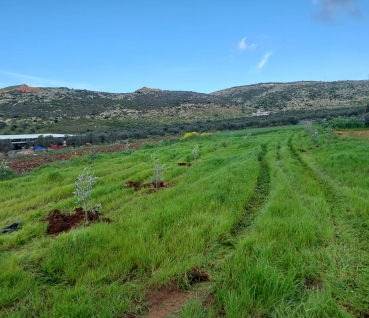
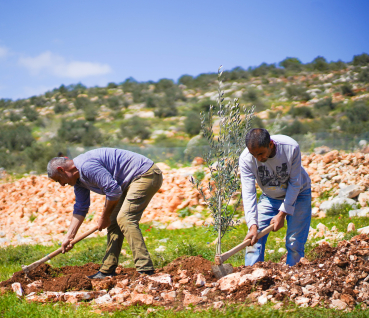
Trees for Palestine: Planting Peace in Palestine
“Planting Peace in Palestine” expresses our genuine belief that if there is to be peace, Palestine must have a viable economy and a means of earning a living.
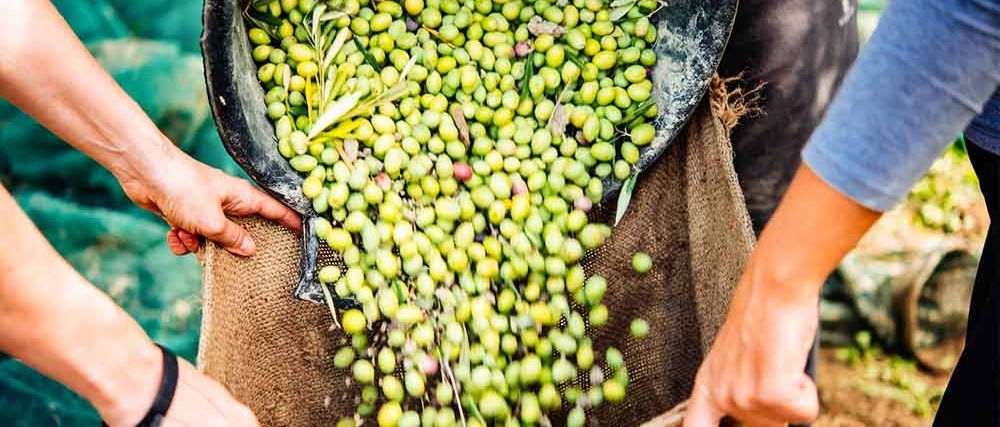
The Trees for Palestine: Planting Peace in Palestine program works to strengthen farmers’ determination in the face of threats by providing new olive tree saplings (2 years old) to plant and nurture. Palestinian farmers are the protectors of the land, culture, traditions, and native environment. Farmers are also the food providers who help maintain Palestinian independence from Israeli Markets. The project seeks to support the ongoing struggle of the Palestinian farming communities as farmers have always sustained the collective agricultural tradition, that has built communities’ strength and held the opposition to colonization, as well as fought against land fragmentation.
The project’s goal is to compensate for the massive destruction of olive trees caused by the Israeli army, settlers, and the illegal Annexation Wall. It aims to maintain the original Palestinian olive trees, the baladi “Nabali” and “Souri” Olive Trees as well as maintain Palestine’s organic traditional and sustainable farming methods. The Project will share the relevant knowledge in many essential agriculture fields with the farmers, with a focus on younger generations and women farmers to work in agriculture and utilize the agricultural Palestinian potential.
The project goal is to supply each Olive grower near the Nablus, Jenin, Qalaqilya, and Sailfit districts with 20 to 50 olive tree saplings.
To reach as many farmers as possible, we designed the project to be as cost-effective as possible, especially given that the cost of a tree sapling has unfortunately been rising. The two most important factors are the cost of saplings from nurseries and the cost of water, as it is the most important tool to ensure the first-year growth of saplings.
Launched this year, 2023, Zatoun-Canada envisioned the project to be shared with partners around the world and is expected to garner enthusiastic support. With local support from Al’ard Palestinian Agri-Products Ltd and the Palestinian Fertile Land Alliance (PFLA) in Palestine, the program will be an equitable and efficient program that will deliver the greatest benefits to the farmers who need it most.
PFLA representatives will deliver and distribute the olive saplings to ensure prompt planting. They will also visit all participating farmers after planting to ensure proper tree care and assess their watering needs during the summer months. PFLA will support farmers who need help watering their trees in the summer.
The Trees for Palestine help connect Palestinian farmers and producers to the solidarity movements internationally while investing in sustainable movements in Palestine.
The sponsorship program is based on a certificate of 3 saplings for $20. However, you can sponsor any number of certificates (multiples of 3) or donate a fixed amount. A certificate of sponsorship will be issued in the donor’s name or another person’s name.
Zatoun Story
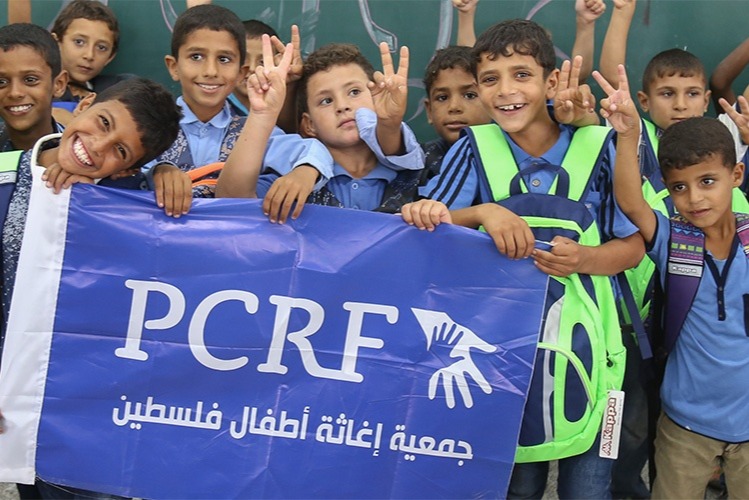
Zatoun is a great fundraiser and gift
Zatoun olive oil is both an exceptional product and project. We have used the olive oil for our PCRF [...]
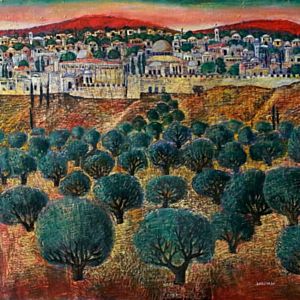
A personal history with olive oil from Palestine
This delightful personal story of Dima Seelawi, a young American woman of Palestinian background and her relationship with olive [...]
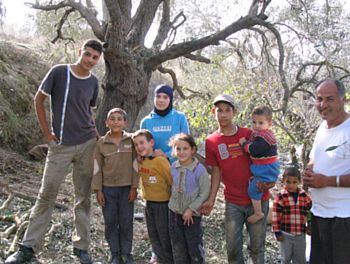
The best way for me to help Palestinians
The olive oil from Zatoun is consistently of high quality and we've been ordering for years! I feel that [...]